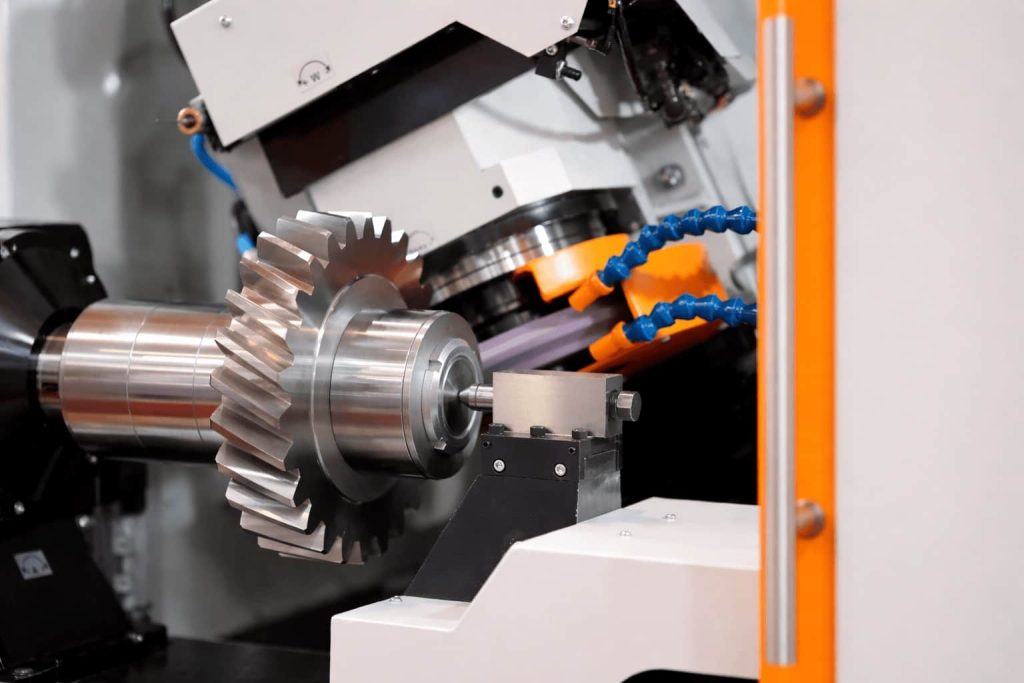
| Functional tooth geometry is achieved after heat treatment, allowing any heat-treat distortion to be corrected in the finished condition |
Tooth geometry is commonly produced prior to heat treatment, with final accuracy dependent on distortion prediction and process control |
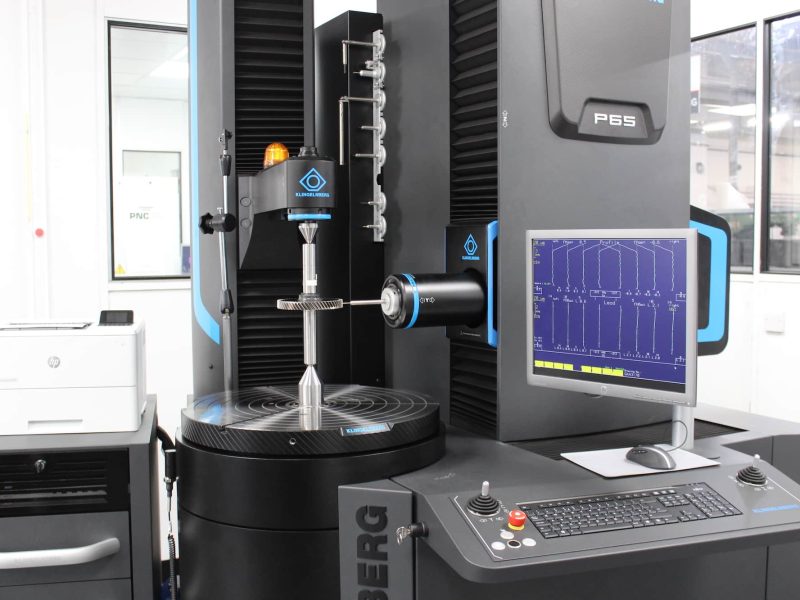
| Final DIN / ISO accuracy class is verified on the as-supplied component, reflecting the true finished geometry |
Final accuracy is derived from pre-heat-treat geometry and controlled distortion, and is not always fully verified after heat treatment in the finished condition |
| Grinding enables controlled correction of profile, lead and pitch in the final condition |
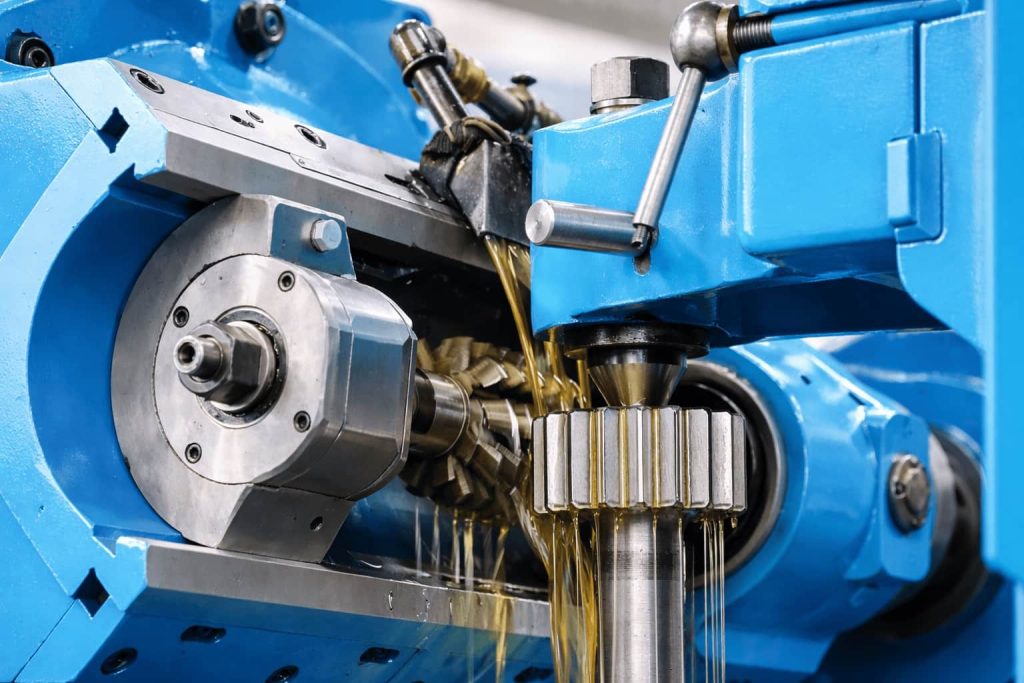
Tooth geometry is established through the cutting process and associated process controls, with final geometry largely defined prior to heat treatment |
| Supports the application of controlled tooth modifications where specified for performance, noise, or load distribution |
Tooth modifications may be limited by the cutting process and tooling strategy |
| Produces a consistent and refined surface condition on functional flanks, which can be beneficial in noise-sensitive, high performance or critical applications |
Surface condition reflects the cutting process and tooling, which is acceptable for many applications but less readily refined |
| In-process inspection is carried out at defined stages, with final verification available via PTI’s inspection facility (ISO/IEC 17025 where specified) |
Inspection approach varies by route and may rely on in-process inspection rather than full verification in the finished condition |
| Multi-stage, specialist process with increased control and verification, generally associated with higher manufacturing cost and longer lead times |
Fewer manufacturing stages with lower levels of process control, typically resulting in shorter lead times and lower unit cost for suitable applications |
| Selected where performance, reliability, and a high level of confidence in the supplied component meeting the drawing requirements are critical to the application |
Selected where the required accuracy and performance can be achieved using more conventional manufacturing routes, with greater reliance on process capability and prediction, and less certainty in the final as-supplied geometry |